How to Create a Data-Driven Social Media Strategy
Social media success rarely comes from a creative instinct alone anymore. Brands now have access to an ongoing stream of signals about what people watch, click, share, and ignore. A data-driven social media strategy simply means paying attention to those signals and letting them shape your decisions.
It does not remove creativity, but it gives it direction. When done well, it helps teams focus on what actually moves the needle, rather than relying on guesswork or fleeting trends.
What is a Data-Driven Social Media Strategy ?
A data-driven social media strategy is a structured plan that uses social media data to guide content, timing, platform selection, and performance evaluation. It’s rooted in measurable audience behavior rather than assumptions about what might work.
This strategy sits within the broader discipline of data-driven marketing, where insights from multiple channels inform overall communication decisions. Social media, however, offers especially rich and immediate data, from engagement metrics to audience sentiment and click behavior.
Spotify provides a clear example. The brand’s annual “Wrapped” campaign is fueled by user listening data, which then becomes shareable social content.
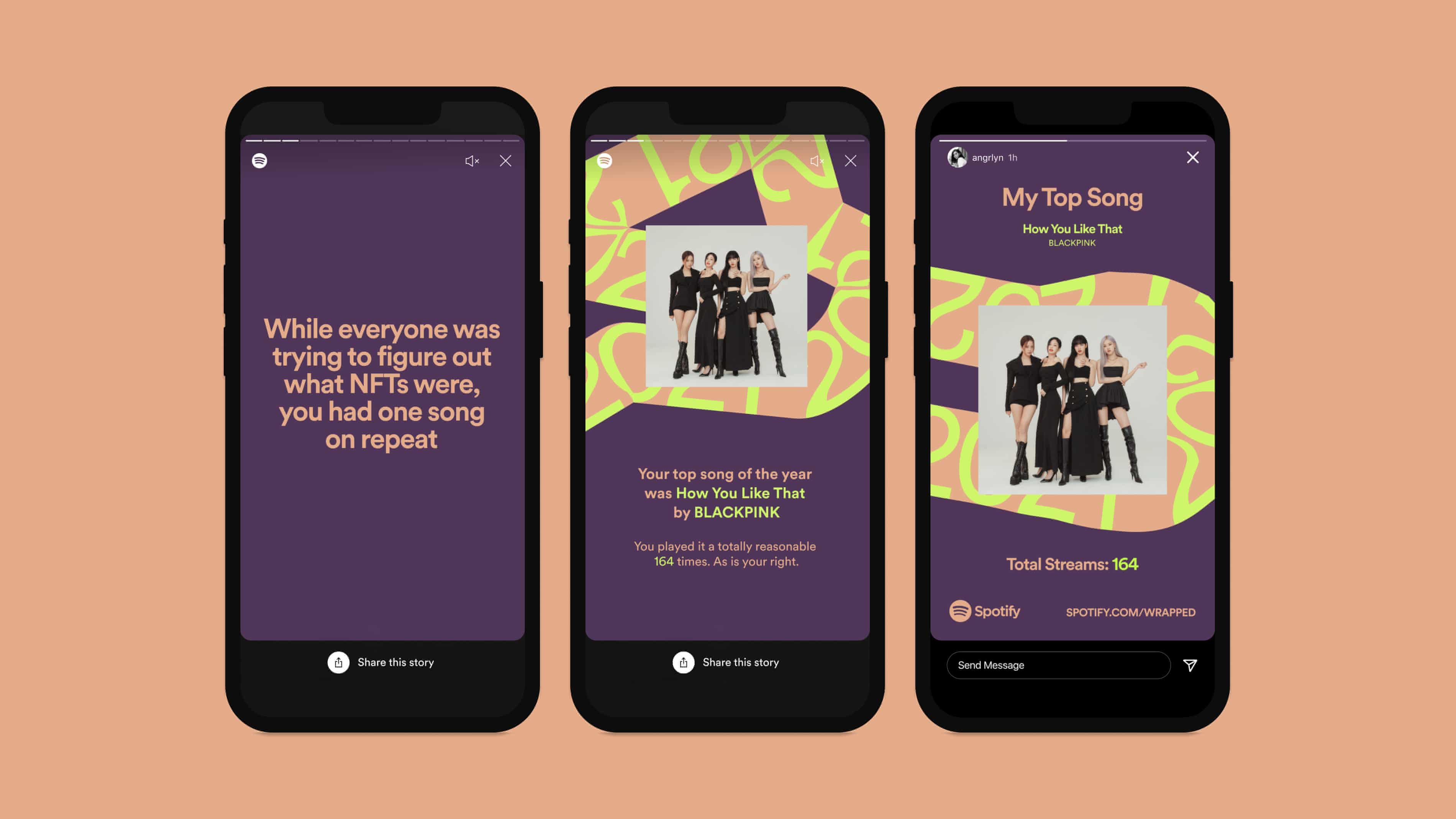
By turning personal data into storytelling, Spotify not only drives engagement but also reinforces brand relevance year after year.
Key characteristics of a data-driven marketing approach include:
- Decisions grounded in measurable audience insights
- Continuous testing and optimization of content formats
- Alignment between social media metrics and business outcomes
These elements make the strategy more intentional. Instead of treating social media as a standalone channel, it becomes an integrated component of growth and brand building.
Benefits of Creating a Data-Driven Social Media Strategy
Here are several benefits every marketer should consider:
- Achieve ROI faster - One of the most practical benefits is faster return on investment. When marketers track performance closely, they can identify high-performing content earlier and scale it quickly. This reduces wasted spend on underperforming campaigns.
Meta’s internal research suggests campaigns optimized using real-time performance data can achieve up to 32% higher return on ad spend (ROAS). Plus, faster optimization leads to faster learning, which ultimately shortens the path to ROI.
- Optimize budget and effort - A data-driven social media strategy helps teams allocate resources more efficiently. Instead of distributing effort evenly across platforms, marketers can focus on channels that deliver measurable impact.
Benefits of budget optimization include: Higher efficiency in paid social campaigns, better alignment between content themes and audience demand and reduced production time for low-performing formats
- Reduce Guesswork - Creative intuition remains important, but data reduces uncertainty around which ideas deserve priority. When past performance trends are clear, brainstorming becomes more focused and purposeful.
According to a study by Mckinsey, Companies that really use analytics to guide their marketing and sales tend to grow faster than competition. In fact, they’re about 1.5 times more likely to achieve above-average growth and often see around a 5% higher return on sales.
7 Steps to Create a Data-Driven Social Media Strategy
A durable data-driven social media strategy usually comes from a few repeatable building blocks. The exact order can vary, but these steps give you a framework that scales from a struggling startup to a social media success story.
Understand Your Target Audience
A strong strategy begins with a deep understanding of audience behavior. Social media data reveals not only who your audience is, but also how they consume and interact with content across platforms.
Platforms like Instagram Insights and TikTok Analytics provide demographic breakdowns, peak activity times, and engagement trends. These signals help marketers identify patterns that might otherwise go unnoticed.
With over 32 million followers on Instagram, Red Bull clearly knows what type of content would resonate most with its audience. The energy drink brand often features activities they know would capture their audience’s attention, collecting guaranteed positive reactions every time a new post is published.

Create SMART Goals for Your Strategy
Clear goals transform raw data into actionable direction. Without defined objectives, metrics can feel overwhelming and disconnected from business priorities.
SMART goals, which are specific, measurable, achievable, relevant, and time-bound, create clarity around what success looks like. For example, increasing engagement rate by 20% within three months is more actionable than simply aiming to “improve engagement.”
Examples of SMART goals in a data-driven social media strategy:
- Increase qualified leads from LinkedIn by 15% in Q2
- Improve average video watch time by 25% within six months
- Reduce cost per acquisition from paid social by 10%
When goals are well-defined, social media analytics tools can directly measure progress and inform adjustments.
Select the Right Social Media Platforms
Choosing platforms based on popularity alone often leads to diluted results. A data-driven approach evaluates which platforms actually contribute to engagement, conversions, or brand affinity for your specific audience.
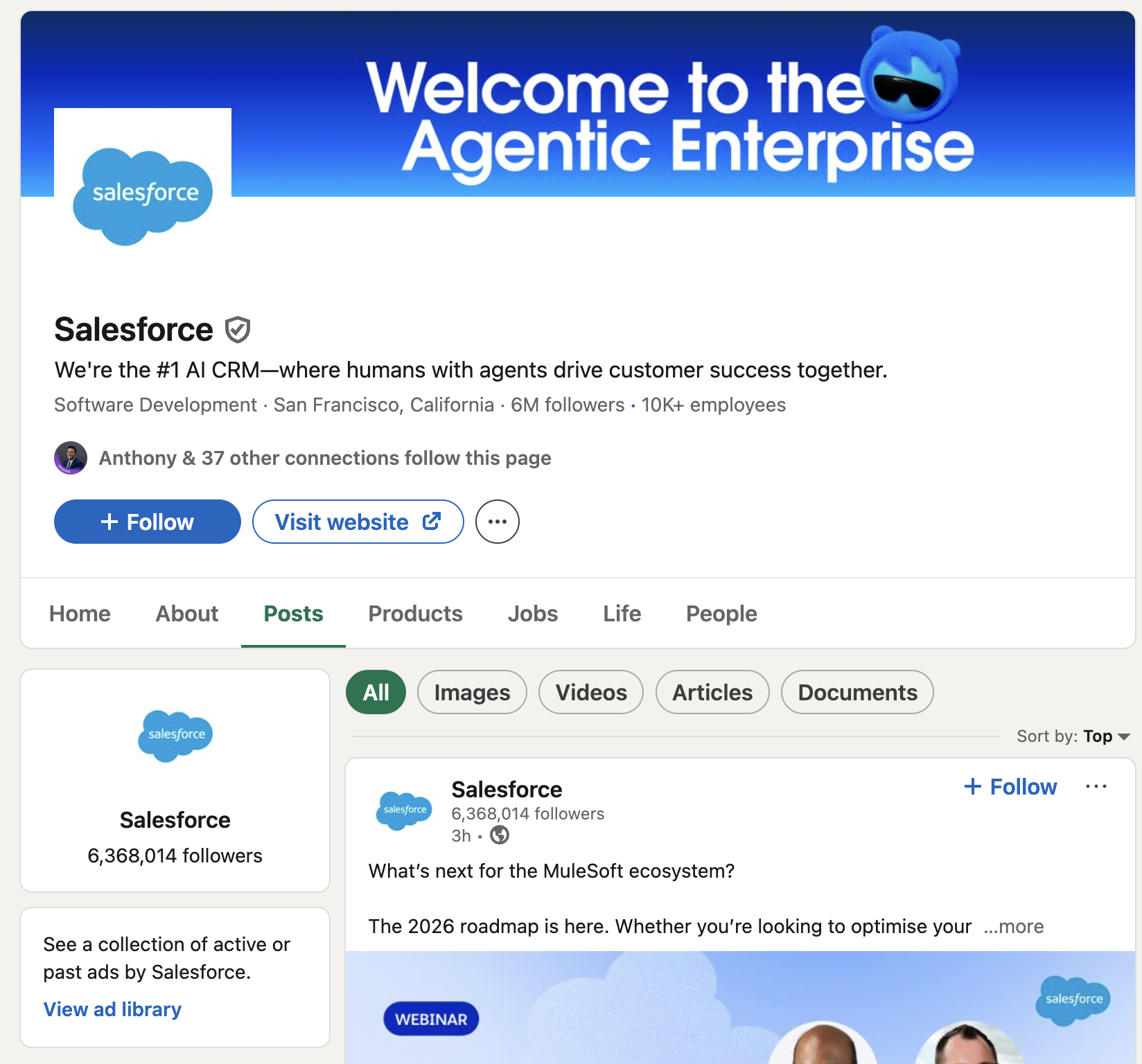
For instance, B2B brands like Salesforce focus heavily on LinkedIn because their data consistently shows higher lead quality from that platform. Of course, since LinkedIn is a professional networking platform, it’s the obvious marketing channel of choice for companies like Salesforce.
Meanwhile, consumer brands like Gymshark prioritize TikTok and Instagram, where visual storytelling drives stronger community engagement.
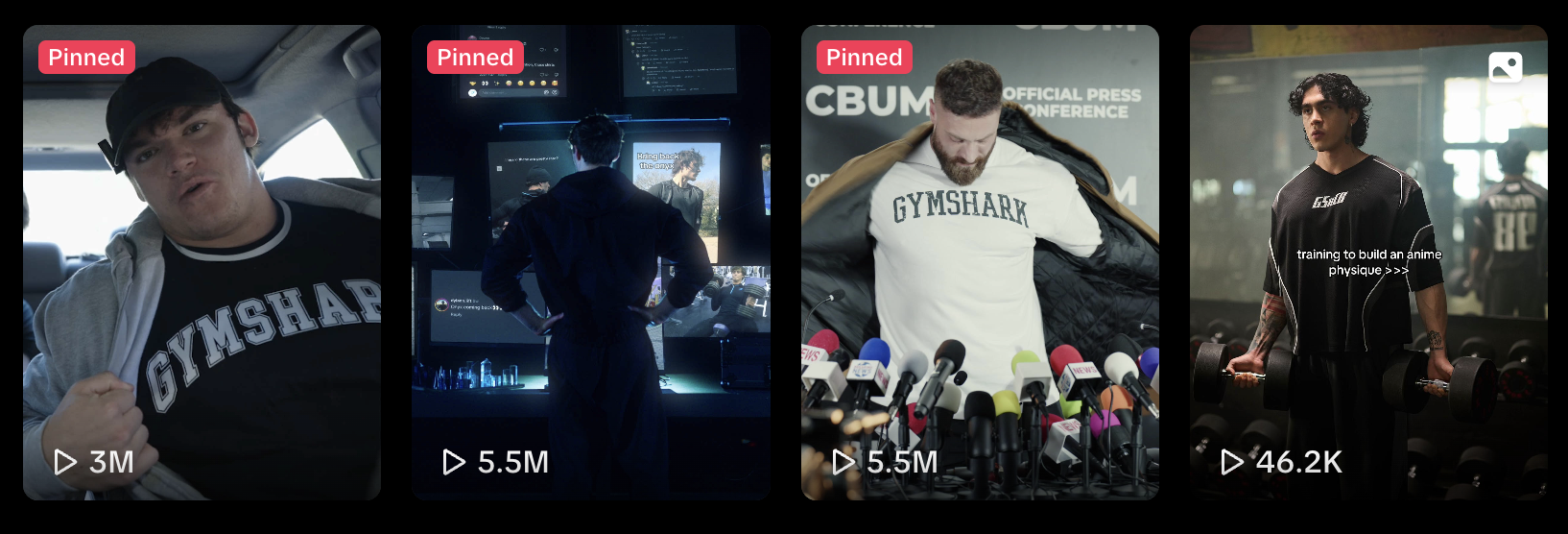
Salesforce has over 6 million followers on the networking platform, while Gym Shark only has 398 thousand. On TikTok, Salesforce only has 66k followers, while Gym Shark has 6.4 million.
This contrast shows that each brand concentrates on the platforms where its audience is most active. Salesforce invests more in LinkedIn, where B2B decision-makers spend time, while Gymshark focuses on TikTok, where fitness content thrives and younger consumers engage more naturally.
Picking platforms is not about chasing the biggest total user count. It’s about finding the overlap between (1) where your buyers spend time and (2) what formats you can produce consistently. Perhaps the real question is where your content will feel most natural and where you can realistically sustain quality over time.
Focus on Tailored Content Creation
One of the strongest advantages of social media compared to traditional channels is the availability of real-time data. Marketers can monitor performance as it happens and adjust campaigns immediately.
Using AI tools, you can enhance your content based on real-time data and improve your ROI as your campaign unfolds.
Additionally, real-time insights matter because social media is not only marketing, it’s also customer care, product feedback, and reputation management happening out loud.

Start with response expectations. Sprout reports that 73% of consumers expect a response on social media within 24 hours or sooner, and that non-response pushes many buyers toward competitors. If you aren’t tracking response times and resolution rates, you may be losing revenue. Thus, it could be effective to delegate social media inquiries to external customer support outsourcing teams who could take care of everything and your marketing team focuses on data insights that matter.
Implement Real-Time Insights
Content should evolve based on performance insights rather than remain static. Social media reporting tools help identify which formats, topics, and tones consistently resonate with audiences.
Netflix is a strong example here. The brand localizes social content based on regional viewing data and trending conversations. A show that performs well in one country may receive a completely different promotional angle in another, all informed by localized engagement insights.
Take a look at Netflix Philippines’ feed below:
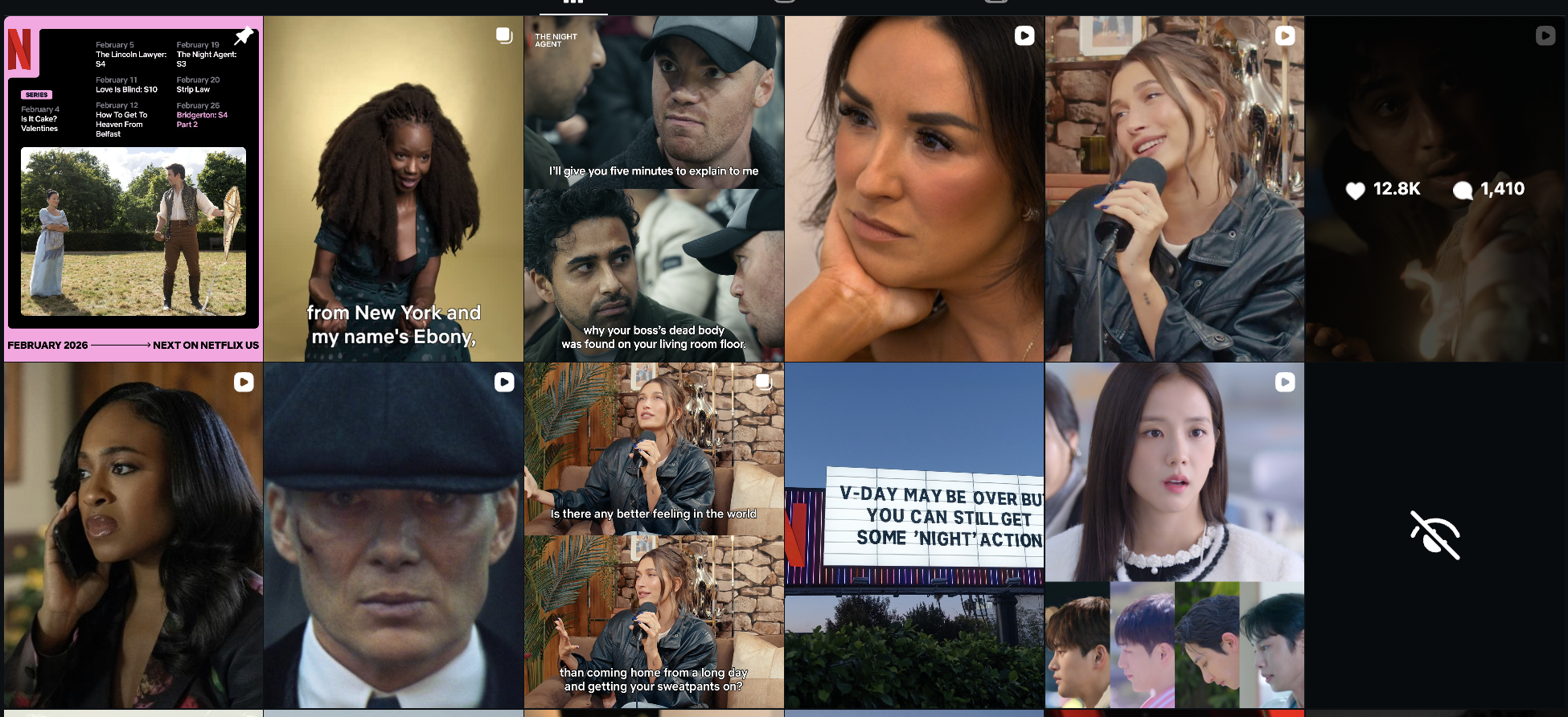
Versus the main page for its US audience:

While there are clear similarities based on what’s trending globally, each page has its own unique content calendar tailored to its audience’s preferences.
Make the Most Out of the Right Tools
Tools play a critical role in consolidating and interpreting large volumes of social media data. Without the right systems, valuable insights may remain scattered across platforms and reports.
Popular social media analytics tools such as Sprout Social, Hootsuite, and Meta Business Suite allow marketers to track engagement trends, audience growth, and conversion metrics in a centralized dashboard. This makes social media reporting more efficient and decision-making more informed.
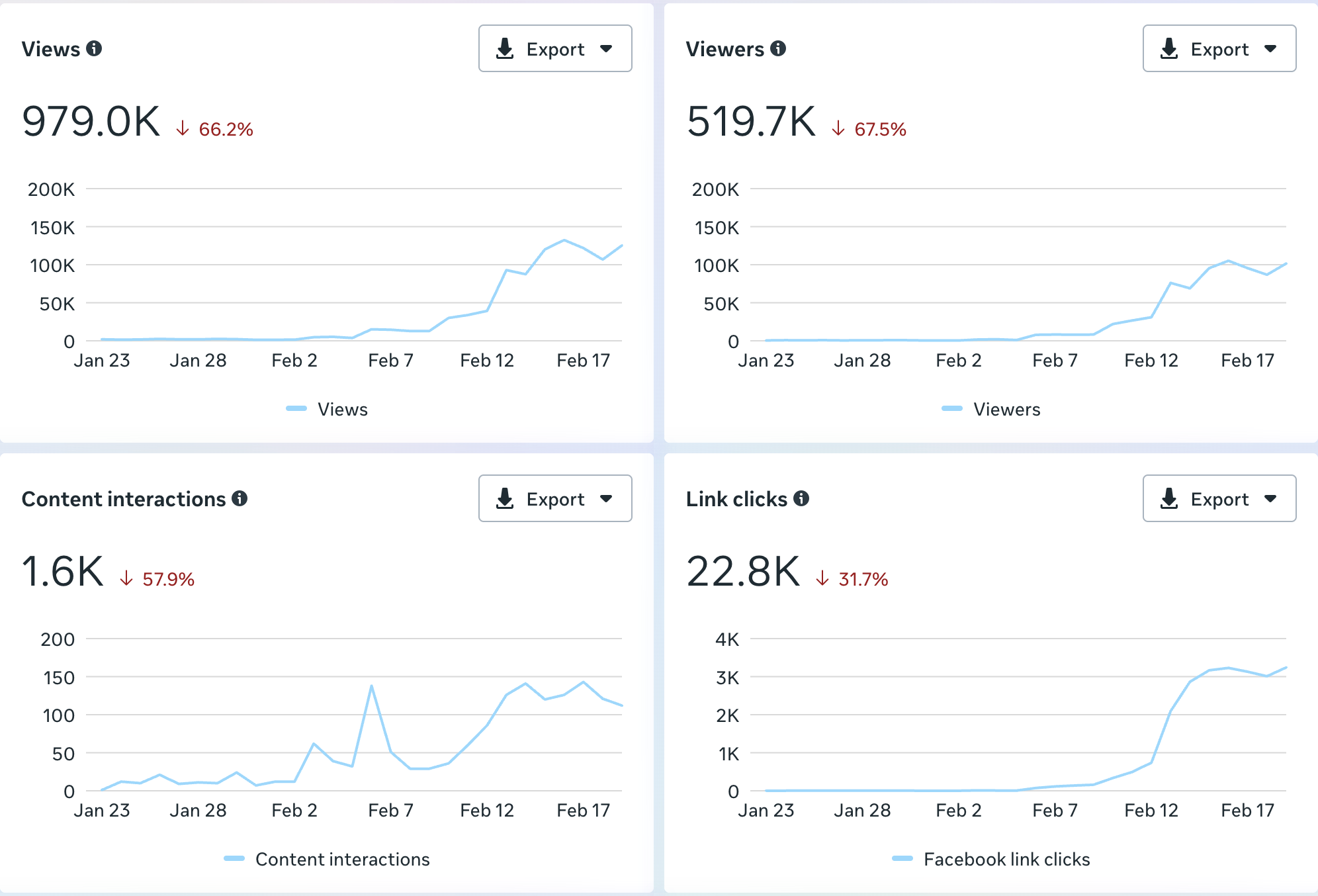
However, marketers often utilize a wider range of tools that turn insights that help in creating a data-driven social media strategy:
- DashThis to track social media data and receive social media reports in an easy and fast manner.
- Buffer to plan and schedule social media posts across platforms.
- Mention to keep track of brand mentions and prevent crises.
- MacKeeper to keep your workspace organized and decluttered while protecting critical data on your device.
When choosing tools, prioritize:
- Unified dashboards that combine multiple data sources
- Customizable reporting aligned with business goals
- Real-time monitoring capabilities for faster optimization
Track Your Social Media Performance
A data-driven strategy needs a way to connect platform metrics to actual business results. Otherwise, you might celebrate strong engagement numbers but still see no impact on revenue.
Start by aligning on what your metrics actually mean. Platforms define terms differently, so a “view” on one app may not be counted the same way on another. That alone can make cross-platform comparisons misleading if you’re not careful.
Next, make sure your social activity is tied back to your website or app. Adding UTM parameters to links, for instance, helps you see which posts or campaigns are driving real traffic. This is often the first real bridge between social media data and customer behavior.
Then comes cadence. Data only matters if you actually review it often enough to act. A weekly check is usually the bare minimum, though higher-spend campaigns often require daily monitoring to catch issues like creative fatigue or sudden spikes in customer inquiries.
Wrapping up
A data-driven social media strategy is ultimately about making better decisions, faster. By understanding your audience, setting clear goals, choosing the right platforms, and continuously learning from performance data, social media becomes more than just a content channel. It becomes a reliable driver of growth.
Perhaps the biggest shift is mindset: instead of guessing what might work, teams build on evidence of what already does. Over time, this creates a more focused, efficient, and sustainable approach to both brand building and revenue impact.
Ready to create a data-driven social media strategy? Sign up for DashThis and start building smarter and faster social media reports that matter.

Create Reports Your Clients Actually Want to Open
Read More

Don’t miss out!
Follow us on social media to stay tuned!


Automate your reports!
Bring all your marketing data into one automated report.
Try dashthis for free